
Did you know that over 80% of store-bought loaves contain hidden preservatives and additives you cannot pronounce? Transforming simple flour, water, and salt into a golden, crusty masterpiece is more than just a culinary task; it is a profoundly meditative experience.
Many people feel intimidated by the process, yet mastering this craft is surprisingly achievable for anyone with a bit of patience. Creating your own food from scratch provides a sense of accomplishment that few other hobbies can match.
You will find that your kitchen becomes a sanctuary once you learn the rhythm of kneading and proofing. With every attempt, you refine your technique and produce healthier, tastier results for your family. Discovering how to bake bread at home is a rewarding journey that turns basic ingredients into pure joy.
Key Takeaways
- Homemade loaves are free from unnecessary industrial preservatives.
- The process serves as a form of stress-relieving meditation.
- Success relies on patience and consistent practice over time.
- Basic pantry staples are all you need to get started.
- Each attempt improves your skill and deepens your culinary confidence.
Understanding the Science of Bread Baking
To bake the perfect loaf, you must first understand the science happening inside your mixing bowl. Learning the chemistry behind your dough is the best way to ensure consistent results. By following these bread baking tips, you can transform your kitchen into a professional-grade bakery.
The Role of Flour and Gluten Development
Flour is the foundation of every loaf, but not all flour behaves the same way. The protein content in your flour determines how much gluten you can develop during the mixing process.
Gluten acts as the structural framework for your bread. When you mix flour with water, these proteins link together to form elastic strands. These strands trap the gases produced during fermentation, allowing your bread to rise properly.
How Yeast Fermentation Works
Yeast is a living organism that consumes sugars found in the flour. As it feeds, it releases carbon dioxide and ethanol, which are essential for the texture of your bread.
This process is the heart of sourdough bread making and traditional yeast baking alike. Without active fermentation, your dough would remain dense and flat. Understanding this biological activity is one of the best bread baking practices for any home baker.
The Importance of Hydration and Temperature
Hydration refers to the ratio of water to flour in your recipe. Higher hydration levels often lead to a more open crumb structure, but they can also make the dough harder to handle.
Temperature plays an equally critical role in your success. Warm environments speed up yeast activity, while cooler temperatures slow it down significantly. Controlling these variables allows you to dictate the pace of your bake and achieve the perfect rise every time.
Essential Tools for Your Home Bakery
Transforming your kitchen into a bakery starts with selecting the right equipment for your needs. While you can certainly begin with basic household items, specialized tools help you achieve consistent results with your homemade bread recipes. Investing in quality gear makes the entire process more efficient and enjoyable for bakers of all skill levels.
Choosing the Right Mixing Bowls and Proofing Baskets
For mixing your dough, large stainless steel or glass bowls are ideal because they are easy to clean and non-reactive. You should look for bowls with enough room to allow the dough to double in size during fermentation. Proper space is vital for the health of your yeast culture.
Proofing baskets, often called bannetons, are another fantastic addition to your collection. These baskets provide structure to high-hydration doughs, helping them maintain their shape during the final rise. Using a floured linen liner inside the basket prevents sticking and creates a beautiful, rustic pattern on the crust.
The Benefits of Using a Digital Kitchen Scale
Precision is the secret to success when you are learning to bake. A digital kitchen scale is the most critical tool you can own because it ensures your ingredient ratios remain accurate every time. Measuring by weight is far more reliable than using volume-based cups, especially when you are trying out new easy bread recipes.
When you weigh your flour and water, you eliminate the guesswork that often leads to dense or dry loaves. Most digital scales allow you to toggle between grams and ounces, which is helpful for following international baking standards. Consistency is the key to improving your skills over time.
Selecting the Best Baking Vessels and Stones
The vessel you choose for baking significantly impacts the final texture of your loaf. A heavy-duty Dutch oven is a favorite among home bakers because it traps steam, which is essential for achieving a crispy, golden crust. If you prefer a more open bake, a high-quality baking stone or steel can provide the intense heat needed for a professional-style rise.
Glass bowls are also useful for no-knead methods, as they allow you to monitor the fermentation process visually. Regardless of your choice, ensure your equipment is oven-safe and can handle high temperatures. Having the right tools will make your journey toward mastering easy bread recipes much more rewarding.
How to bake bread from scratch
Transforming simple pantry staples into a golden, crusty loaf is easier than you might think. When you learn how to bake bread, you discover that the process is as much about patience as it is about technique. By following a few simple steps, you can achieve professional results in your own kitchen.
Preparing Your Workspace and Ingredients
Before you begin, clear a large, flat surface for your dough. Having a clean area allows you to move freely without worrying about clutter. Mise en place, or having everything in its place, is one of the best bread baking practices you can adopt.
Measure your flour, water, salt, and yeast precisely using a digital scale. Room temperature ingredients often yield the most consistent results. Ensure your water is lukewarm, as extreme temperatures can either kill the yeast or cause it to over-activate too quickly.
Mixing and Autolyse Techniques
Once your ingredients are ready, combine them until a shaggy mass forms. This is where you start to see the magic of bread baking techniques come to life. Instead of jumping straight into heavy labor, try the autolyse method.
Allow the flour and water mixture to rest for 20 to 60 minutes before adding salt or yeast. This short break helps the flour fully hydrate and begins the process of gluten development naturally. You will notice the dough becomes much more extensible and easier to handle after this rest.
Mastering the Kneading Process
Kneading is the physical act of building the structure of your loaf. Whether you use your hands or a stand mixer, the goal is to create a smooth, elastic dough that holds its shape. Many homemade bread recipes rely on this stage to trap the gases produced by yeast.
If you are kneading by hand, use the heel of your palm to push the dough away from you, then fold it back over itself. Repeat this motion until the dough passes the “windowpane test,” where a small piece can be stretched thin enough to let light through without tearing.
| Method | Effort Level | Time Required | Best For |
|---|---|---|---|
| Hand Kneading | High | 10-15 Minutes | Developing tactile feel |
| Stand Mixer | Low | 5-8 Minutes | High-hydration doughs |
| No-Knead | Minimal | 12-24 Hours | Beginners |
The Art of Bulk Fermentation and Proofing
Once your dough is mixed, the magic of bulk fermentation begins to build flavor and structure. This stage is where patience truly pays off, as the yeast works to create the complex profile found in high-quality sourdough bread making. By allowing the dough to rest, you develop the strength needed for a beautiful rise.
Creating the Ideal Environment for Dough Rise
To achieve the best results, your dough needs a warm, draft-free environment. Aim for a temperature between 75°F and 80°F to keep the fermentation process steady. Consistency is key, so avoid placing your bowl near cold windows or active air conditioning vents.
“Bread is the most honest food. It requires only flour, water, salt, and the most important ingredient of all: time.”
Identifying When the Dough is Properly Proofed
Learning to read your dough is a vital skill in sourdough bread making. You should look for a significant increase in volume, usually around 50% to 75% depending on the recipe. The surface should appear smooth and slightly domed, with a few visible bubbles indicating active gas production.
You can also use the “poke test” to check for readiness. Gently press a floured finger into the dough; if it springs back slowly and leaves a small indentation, it is ready for the next step. If it springs back instantly, it needs more time, but if it collapses, it may be over-proofed.
| Stage | Visual Cue | Tactile Feel |
|---|---|---|
| Under-proofed | Minimal growth | Dense and tight |
| Perfectly Proofed | Jiggly and airy | Soft and pillowy |
| Over-proofed | Flat or collapsed | Sticky and slack |
Handling Delicate Dough Without Deflating
When your dough is ready, treat it with extreme care to preserve the gas bubbles you worked so hard to create. Use a bench scraper to gently release the dough from the bowl onto a lightly floured surface. Avoid aggressive handling, as this can deflate the structure and lead to a dense final loaf.
Work with light, deliberate movements to maintain the integrity of the dough. By keeping your touch soft, you ensure that the internal crumb remains open and airy. This gentle approach is the final step in mastering the fermentation process before you move on to shaping.
Shaping Techniques for Different Loaf Styles
Shaping your dough correctly is the bridge between a sticky mess and a professional loaf. By learning these bread baking techniques, you ensure your bread maintains its structure rather than spreading into a flat pancake during the bake. Proper handling at this stage is essential for a beautiful final result.
Forming a Classic Round Boule
To create a round boule, start by gently patting your dough into a rough circle on a lightly floured surface. Fold the edges toward the center like an envelope, then flip the dough over so the seam side faces down.
Cup your hands around the dough and pull it toward you against the counter. This motion creates delicate tension on the outer skin of the loaf. Repeat this rotation until the surface feels smooth and tight.
Shaping an Oblong Batard for Sandwiches
If you prefer a batard, which is ideal for slicing into sandwich bread, begin by shaping your dough into a loose cylinder. Fold the top third down to the center and press the seam to seal it.
Next, fold the bottom third up and over the center, sealing the edges firmly with your fingertips. Roll the dough gently to lengthen it into an oblong shape, ensuring the seam is tucked securely underneath.
Tips for Achieving Surface Tension
Achieving proper surface tension is one of the most important bread baking techniques for any home baker. A tight outer skin acts like a balloon, forcing the bread to rise upward in the oven instead of outward.
Always work on a surface with minimal flour to allow the dough to grip the counter slightly. If the dough feels too sticky, let it rest for a few minutes before continuing your shaping process. Patience during this step will reward you with a much better crumb structure.
Scoring and Preparing for the Oven
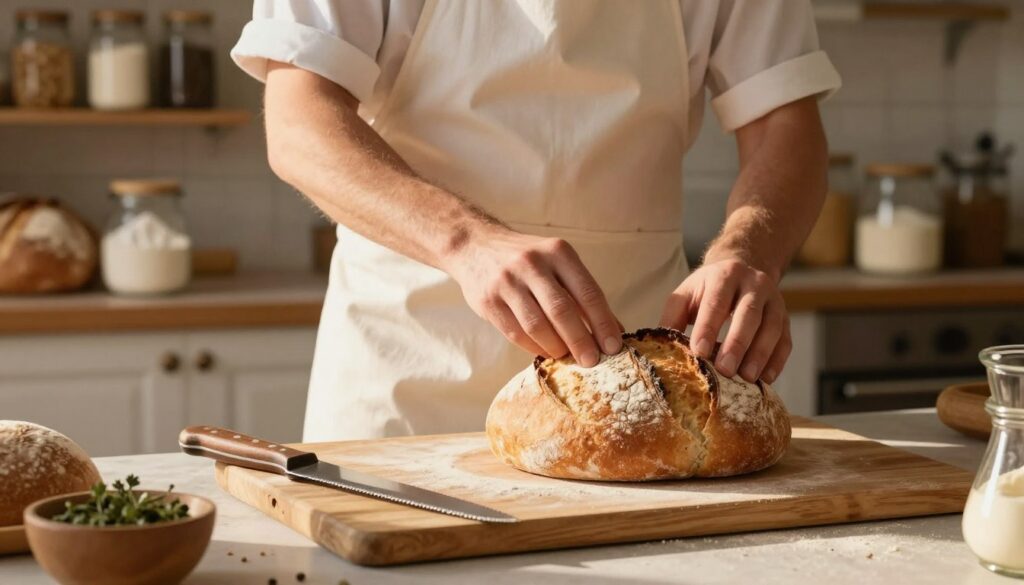
Scoring your dough is the secret to achieving professional results in your home kitchen. While it may seem like a simple final step, this process is vital for successful artisan bread baking. By controlling how the loaf expands, you ensure that your bread develops the perfect shape and texture.
Why Scoring is Essential for Bread Expansion
When your dough enters the hot oven, it undergoes a rapid rise known as oven spring. Without a deliberate cut, the steam trapped inside will force the crust to rupture in random, unattractive spots. Scoring provides a designated path for this gas to escape, allowing the loaf to rise upward rather than outward.
This controlled expansion creates the characteristic “ear” or ridge that many bakers strive to achieve. It also helps the interior crumb structure develop evenly. By managing the release of steam, you ensure that your crust remains crisp and well-defined.
Using a Lame or Sharp Blade Effectively
To achieve clean cuts, you need the right tool. A lame, which is a specialized handle holding a double-edged razor blade, is the gold standard for this task. Even if you are following easy bread recipes, using a sharp blade makes a significant difference in the final appearance of your loaf.
Hold the blade at a slight angle, roughly 30 to 45 degrees, rather than cutting straight down. This angled cut encourages the dough to peel back as it expands, creating a beautiful, professional-looking crust. Always use a fresh, sharp blade to avoid dragging or tearing the delicate surface of the proofed dough.
Creating Decorative Patterns on Your Crust
Beyond its functional purpose, scoring is a wonderful way to express your creativity. You can use these bread baking tips to turn a simple loaf into a work of art. Simple geometric lines, wheat stalks, or even complex floral designs can be etched into the surface of the dough.
When creating patterns, remember to keep your cuts shallow for decorative designs and deeper for the primary expansion cuts. Practice on different dough hydration levels to see how the patterns shift during the bake. The following table compares common tools used for these tasks:
| Tool | Best Use | Precision Level |
|---|---|---|
| Lame | Deep expansion cuts | High |
| Kitchen Knife | Basic slicing | Low |
| Razor Blade | Intricate patterns | Very High |
| Scalpel | Fine detailing | Professional |
Mastering Oven Dynamics and Steam
Achieving a professional-grade loaf requires mastering the delicate balance of heat and moisture. When you engage in artisan bread baking, the oven environment acts as the final laboratory for your dough. Proper control here ensures that your hard work during the proofing stage translates into a beautiful, golden result.
The Role of Steam in Crust Development
Steam is the secret weapon for achieving a professional crust. By introducing moisture early in the bake, you keep the surface of the dough soft and pliable. This allows the loaf to expand fully, a process known as oven spring, before the crust sets and hardens.
Without adequate steam, the crust dries out too quickly and restricts the rise of the bread. You can create steam by placing a tray of hot water in the bottom of the oven or using a spray bottle to mist the walls. This simple step is one of the best bread baking practices for home bakers.
Adjusting Oven Temperatures for Perfect Browning
Temperature management is vital for developing complex flavors and a deep, caramelized color. Most recipes start with a high initial heat to trigger rapid expansion. Once the loaf has risen, you should lower the temperature to ensure the interior cooks through without burning the exterior.
Keep a close eye on your crust color as the bake nears completion. If the bread browns too fast, you can tent it with aluminum foil to protect the top. Patience is key when waiting for that perfect, deep mahogany finish.
Using Dutch Ovens Versus Open Baking
Many bakers prefer using a Dutch oven because it traps steam naturally, creating a self-contained environment. This method mimics the performance of professional steam-injected deck ovens. It is highly effective for beginners who want consistent results every time.
Alternatively, open baking on a stone or tray offers more room for multiple loaves but requires extra effort to manage humidity. While open baking allows for a more rustic, uneven crust, it demands more attention to detail. Mastering artisan bread baking often involves experimenting with both methods to see which fits your specific kitchen setup best.
Troubleshooting Common Bread Baking Issues
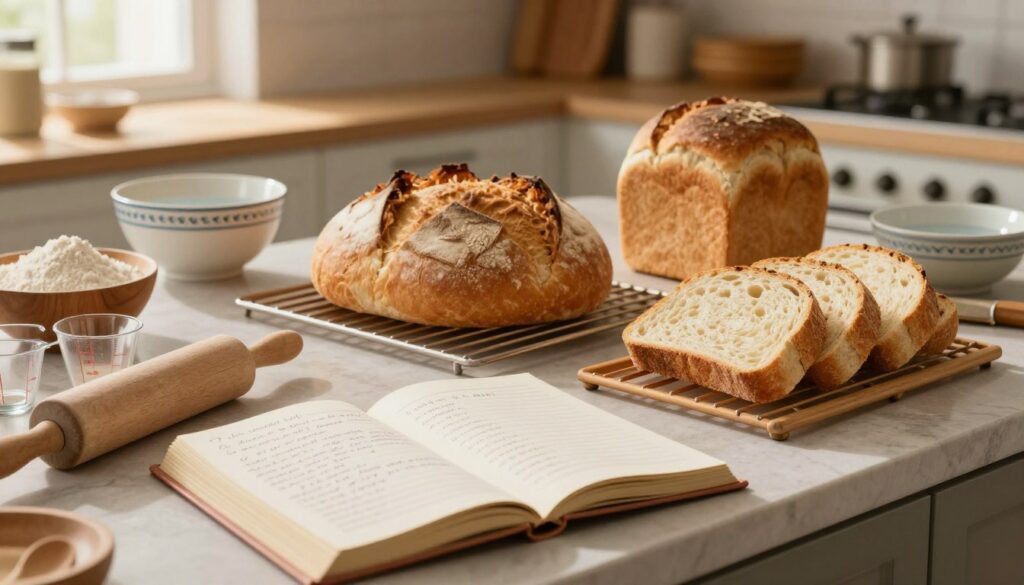
Troubleshooting is a fundamental skill for anyone dedicated to artisan bread baking. Even when you follow a recipe perfectly, environmental variables can sometimes lead to unexpected results. Learning to identify these issues is the best way to improve your skills and ensure consistent success in your home kitchen.
Fixing Dense or Under-proofed Loaves
If your bread turns out heavy or dense, the culprit is often insufficient fermentation. A loaf that has not proofed long enough will lack the airy crumb structure you desire. Always ensure your dough has visibly expanded and feels light to the touch before it hits the oven.
Another common cause is inactive yeast or water that was too hot, which kills the leavening agents. Keep these bread baking tips in mind: always check your yeast expiration date and use a thermometer to ensure your water temperature stays between 75°F and 80°F. Patience during the bulk fermentation stage is truly the secret to a light, open crumb.
Preventing Burnt Bottoms and Pale Crusts
A burnt bottom often happens when the baking vessel is placed too close to the bottom heating element. Try moving your rack to the center of the oven or placing a baking sheet on the rack below your loaf to deflect direct heat. This simple adjustment often solves the problem immediately.
Conversely, if your crust looks pale, you may need to increase your oven temperature or extend the baking time. Removing the lid of your Dutch oven during the final ten minutes of baking allows the heat to caramelize the sugars in the crust. This technique is essential for achieving that deep, golden-brown finish characteristic of professional artisan bread baking.
Adjusting Recipes for High Altitude or Humidity
Baking at high altitudes requires specific modifications because the air is thinner and drier. You may find that your dough rises much faster, so consider reducing the amount of yeast or using cooler water to slow the process down. These bread baking tips help prevent the dough from over-proofing and collapsing before it sets.
Humidity also plays a significant role in how your flour absorbs moisture. On very humid days, your dough might feel sticky and slack, so try holding back a small portion of the water in your recipe. Adjusting your hydration levels by feel is a hallmark of an experienced baker who understands how the environment impacts their dough.
Advanced Bread Baking Techniques to Explore
If you are ready to challenge your skills, these advanced methods will transform your kitchen into a professional bakery. Moving beyond standard homemade bread recipes allows you to unlock deeper flavors and textures that define artisan loaves. By adjusting your approach, you can create professional-quality results right at home.
Introduction to Sourdough Bread Making
The journey into sourdough bread making is a rewarding milestone for any baker. Unlike commercial yeast, this method relies on a living culture of wild yeast and beneficial bacteria. This natural process creates a complex, tangy flavor profile that is impossible to replicate with store-bought packets.
Mastering this craft requires patience as you nurture your starter daily. Once active, the wild yeast provides a superior rise and a chewy, open crumb structure. It is truly the gold standard for those seeking to refine their bread baking techniques.
Incorporating Seeds, Grains, and Herbs
Once you feel comfortable with your base dough, start experimenting with flavorful inclusions. Adding toasted sunflower seeds, flax, or cracked wheat adds a delightful crunch and nutritional boost to your bread. You can also fold in fresh rosemary, thyme, or roasted garlic to create savory masterpieces.
Always remember to soak hard grains or seeds before adding them to your dough. This prevents them from absorbing moisture away from the flour, which keeps your crumb soft and airy. These small adjustments allow you to customize your loaves to suit any meal or preference.
Experimenting with Long Cold Fermentation
One of the most effective bread baking techniques for flavor development is the use of a long, cold proof. By placing your shaped dough in the refrigerator for 12 to 24 hours, you slow down the yeast activity significantly. This extended time allows enzymes to break down starches into sugars, resulting in a richer, more nuanced taste.
Cold fermentation also makes the dough much easier to score before baking. The chilled structure holds its shape better, leading to a more dramatic “oven spring” and a beautiful, blistered crust. It is a simple yet powerful way to elevate your baking game to the next level.
Conclusion
Baking bread is a lifelong journey that rewards you with fresh, delicious loaves and a deep sense of accomplishment. Every batch you pull from your oven represents a new opportunity to refine your skills and understand the unique personality of your dough.
You might start your journey by exploring easy bread recipes that build your confidence in the kitchen. These simple foundations allow you to focus on the rhythm of mixing and the magic of fermentation without feeling overwhelmed.
As your comfort level grows, you can begin to experiment with different grains, hydration levels, and long fermentation times. Developing your own signature style is part of the joy found in creating homemade bread recipes that your friends and family will love to share.
Keep a notebook to track your adjustments and observations during each bake. This practice turns every loaf into a valuable lesson that improves your future results. Your kitchen is now a place of endless discovery and warm, crusty rewards.
Grab your favorite apron and start your next batch today. The perfect loaf is waiting for you to bring it to life.